


 Menu
Menu




 3 min
3 min
Figma, or the future of design
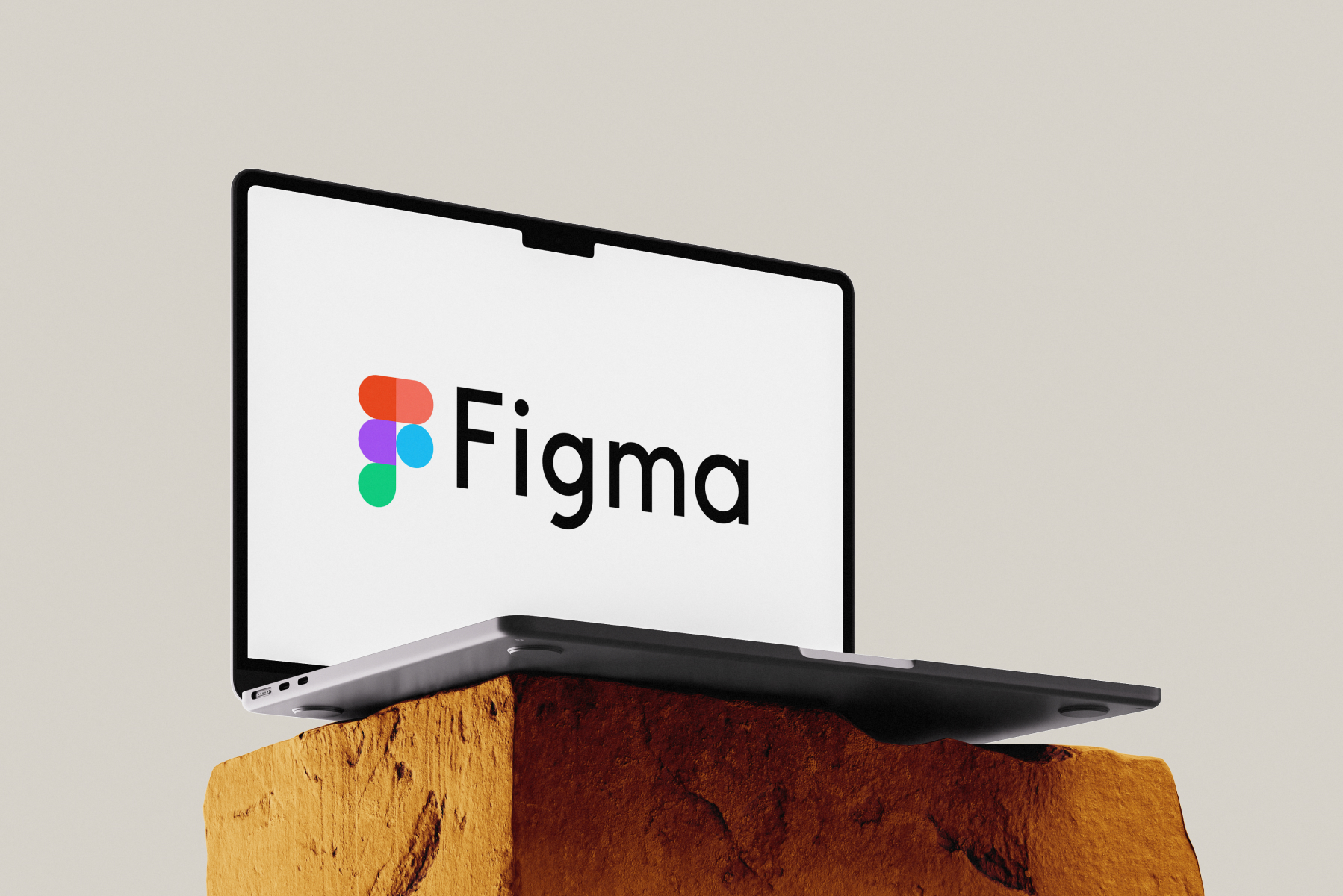
Figma has earned its place as one of the most popular tools for designers anywhere in the world. From simple sketches to advanced prototypes, its flexibility, its intuitive interface and its real-time collaboration make a modern design process hard to imagine without it. Why has Figma become an inseparable part of our daily work at renton.media, and what does it do for the team’s efficiency?
Flexibility and real-time collaboration
One of Figma’s greatest strengths is the ability to collaborate in real time. Designers, copywriters and clients can work on the same project simultaneously, wherever they happen to be. Every change is visible immediately, which removes the chaos of sending multiple file versions around and merging revisions.
Thanks to that:
- We deliver projects faster — revisions go in as we go.
- Remote work is as effective as working in the office — everyone has the current version.
- Fast-moving projects keep their pace — reacting to changes immediately is what counts on urgent work.
Figma does not only make teamwork easier. It keeps the work coherent and the communication clear between everyone involved.
Versatile in use — one tool, many possibilities
Although Figma is known primarily as an interface design tool, its applications go much further. At renton.media we also use it for:
- Creating printed materials, from leaflets to brochures.
- Designing templates for social media posts.
- Putting together moodboards for photo shoots.
- Building prototypes for websites and applications.
Because Figma is this versatile, we do not have to switch between different programs — it is all in one place. That means better organisation and time saved.
Organised projects, and order
Figma is also an excellent tool for organising projects. Every project has its own board holding everything it needs, from initial sketches and moodboards through to the final materials. As a result:
- We keep our project assets in order.
- Going back to an earlier version is easy.
- The process stays transparent — the client can follow progress as it happens.
The comment function makes passing on notes and suggestions quick. That improves communication considerably and helps avoid misunderstandings. The client sees that they are part of the process, which builds trust and a shared sense of ownership of the final result.
Figma — a tool for the future
Figma is not standing still. Its makers keep developing new features that improve a designer’s daily work. Integrations with other tools such as Slack and Trello allow for even better management of workflow and team communication.
More and more companies are moving away from traditional design software in favour of Figma. Its simplicity, flexibility and collaborative possibilities are setting new standards in the creative industry. At renton.media we know this tool does not only make the work easier — it lets us produce work of the highest standard, matched to a market whose needs keep shifting.
 3 min
3 min
 4 min
4 min
 4 min
4 min

 Step 01
